

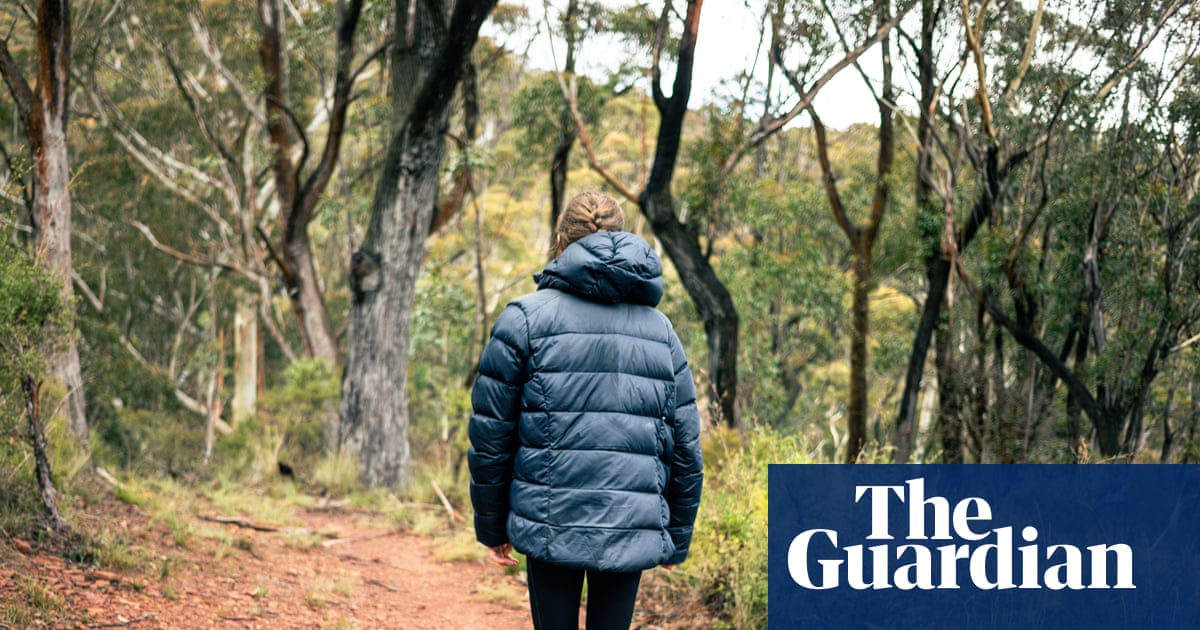
Whether you call it a parka, puffer or Tassie tuxedo, the insulated jacket has become a cold-weather closet staple.
A 1920s version by Australian mountaineer George Finch was constructed from hot air balloon fabric and eiderdown, but most modern designs are a mix of petroleum-based synthetics as well as animal and plant fibres, with varying environmental and ethical impacts.
Producing these materials, through agricultural or chemical processes, contributes 83% to the jacket’s overall carbon and water footprint, according to one life cycle study. The next largest contributor was water and energy usage during wear – with the average down jacket lasting seven years – followed by sewing and disposal. Natural fibres like down and wool also add animal welfare considerations.
But, like all clothing items, the effects are multiplied across global production and consumption systems. The market for puffers is large and growing, with more than 100m jackets made in China annually. Some brands are even branching into new territory, with demand for puppy puffers soaring.
Dr Carolina Quintero Rodriguez, a senior lecturer at RMIT University’s school of fashion and textiles, says advertising and social media are encouraging us to purchase more than we need.
“That is incentivising or creating a need in the population for not only one jacket, but you need three jackets,” she says.
A recent Adelaide University study of nearly 600 people’s clothing habits found 89% of garments are bought new, with padded jackets one of the most expensive items that people own, but rarely wear, which provides a ready supply of secondhand puffers in great condition. That’s why it’s important to choose a good quality garment, from a responsible brand, and wear it and repair it for as long as possible.
One jacket, many ingredients
Julie Boulton, a sustainable fashion consultant, says puffers usually consist of an inner and outer shell, a filler (“the stuff that makes it puff”), and notions like zips, snaps or buttons and thread.
Shells are usually made from fossil fuel-derived materials, such as nylon or polyester, sometimes blended with cotton or wool.
Jackets labelled “100% recycled” usually comprise polyesters made from plastic waste, such as water bottles or used textiles.
The padding inside often consists of duck or goose feathers (called down), wool, or a synthetic fill, Boulton says. Some brands, like Pangaia, are moving to plant-based fluff, made from wildflowers, biopolymers and aerogel.
According to the life cycle study, polyester fibre production, spinning, weaving, fabric dyeing and finishing are all high-energy consumption processes.
Polyester is a petroleum-based fibre that has issues with greenhouse gas emissions and shedding microplastics, Quintero Rodriguez says. Natural down is biodegradable and a byproduct of the meat industry, she says, but can come with risks associated with animal welfare and supply chain opacity.
Down is made by plucking the soft feathers of ducks or geese, usually after slaughter, according to the RSPCA, although a small percentage (1 to 2%) is still thought to be collected from live plucking, a practice the organisation says is a major welfare concern. Consumers are encouraged to look for the Responsible Down Standard, a voluntary certification that requires higher levels of animal welfare, traceability and prohibits live plucking.
When it comes to wool, Dr Natalie Roadknight, a senior scientific officer at the RSPCA, says the biggest welfare concern is a practice called mulesing, which involves cutting an area of skin near the tail. “It’s done while the lamb is completely conscious,” she says. “They’re able to feel the cuts”. Australia is one of the only countries where the practice is still legal, with the procedure banned in New Zealand and other countries.
Consumers can choose to avoid wool products that involve mulesing, by asking the brand directly, or looking for the ZQ Merino or the Responsible Wool Standard.
Re-wear and repair
Australians buy 1.5bn new items of clothing each year, and send 220,000 tonnes to landfill, a report by Seamless, Australia’s clothing stewardship scheme, has found.
“If you’re thinking about getting a jacket, look secondhand, look from your friends, don’t think that you’ve got to go and buy new,” says Boulton.
After that, the key is to keep it in service for as long as possible, she says. “While you’ve got it, use it, and wear it, wash it responsibly and take care of it and repair it.”
Some outdoor brands offer repair services or kits to help people patch and mend their winter coats. About one in 10 items are repaired, the Adelaide University study found, even though mending extended a garment’s useful life by 2.5 years on average.
Quintero Rodriguez says most garments don’t need to be washed as often as people think; sometimes, airing them out is enough. But if you do have to clean them, use cold water, she says, because heat can damage synthetic fabrics like nylons or elastane.
Gentle washing can also extend the life of water resistant or repellent surfaces in raincoats, with some finishes able to be reapplied or reactivated.
Can puffers be recycled?
Nationally, about half of unwanted clothes end up in landfill (53%), another 38% are reused locally or exported, and 9% are recycled.
Textile recycling is a time and labour intensive process, Boulton says, partly due to a lack of infrastructure and also because the price of virgin polyester is so cheap. Some outdoor brands do offer take back schemes, through places like Upparel.
“It’s cheaper just to make a whole new [jacket] than it is to recover and repurpose, or deconstruct, recycle and put back into the system again, which is such a shame.”
Quintero Rodriguez says: “My main message will be to extend the life of the item as much as possible. Care for the item as per the care instructions. And to make sure that you purchase [only] what you need.”
